
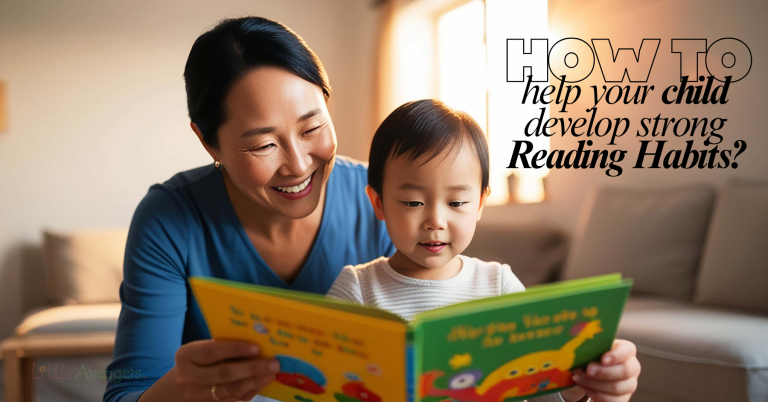

Reading is one of the most powerful skills a child can develop. It strengthens imagination, improves vocabulary, boosts confidence, and supports academic success. But in a world full of screens and distractions, helping children build strong reading habits requires patience, strategy, and a little creativity from parents.
Here’s a practical guide to help your child develop a lifelong love for reading.
1. Start Early — Even Before They Can Read
Children absorb language long before they can speak or read. When you read to a baby or toddler:
- They learn the rhythm of language
- They form emotional bonds with you
- They associate books with comfort
- Their vocabulary grows naturally
Even five minutes of reading daily can make a big difference.
Tip: Choose picture books with bright colors and simple words to keep them engaged.
2. Build a Reading-Friendly Environment
Kids need a calm, inviting space where reading feels natural.
Create a small reading corner with:
- Soft cushions
- Good lighting
- A small bookshelf
- Age-appropriate books
- A few toys (but not too many distractions)
When a child has a dedicated reading spot, they feel a sense of ownership — this encourages them to pick up books on their own.
3. Let Your Child Choose Their Books
Children are more excited about reading when they choose what to read.
Visit:
- Libraries
- Book fairs
- Bookstores
- Online children’s book collections
Allow them to pick stories that match their interests: animals, superheroes, space, fantasy, or humorous books.
Autonomy = motivation.
Even if the book seems too simple, repetitive, or silly — if they enjoy it, they’ll read more.
4. Make Reading Part of Their Daily Routine
Reading becomes a habit when it’s part of a routine.
Here are some simple ways to include reading daily:
- Read a story before bedtime
- 10 minutes after school
- Weekend reading time with parents
- “Quiet reading time” during the day
Consistency matters more than duration. Even 10–15 minutes daily helps build a strong foundation.
5. Lead by Example — Be a Reading Role Model
Children copy what they see.
If they notice you:
- Reading newspapers
- Reading online blogs
- Reading books
- Talking about stories
…they’re far more likely to do the same.
Make reading visible in your home. A family that reads together builds reading habits naturally.
6. Mix Reading Formats — Books, Audio & Interactive Stories
Some children respond better to different formats.
Try:
- Physical books
- E-books
- Audiobooks
- Interactive story apps
- Comics & graphic novels
The goal is to keep the child excited and curious — not restrict them to only one method.
Comics and picture books count as real reading!
7. Ask Questions to Make Reading Interactive
Don’t just read — talk about the story.
Ask questions like:
- “What do you think will happen next?”
- “Which character do you like?”
- “Why do you think they made that choice?”
- “Can you tell the story in your own words?”
This builds comprehension, imagination, and critical thinking — skills that improve overall learning.
8. Celebrate Reading Milestones
Kids love rewards and recognition.
Celebrate:
- Finishing a book
- Reading for a full week
- Learning new words
- Reading aloud confidently
The reward doesn’t have to be expensive:
- Stickers
- Extra playtime
- A new book
- A special treat
Celebration makes reading feel joyful, not like homework.
9. Reduce Screen Time Gently
You don’t need to ban screens completely — just balance them.
To encourage reading:
- Set screen-free hours
- Keep devices away during reading time
- Replace 15 minutes of screen time with storytime
Slow and steady changes work better than strict rules.
10. Join a Library or Reading Community
A reading community exposes children to:
- New books
- Storytelling sessions
- Other kids who enjoy reading
- Exciting events (book days, reading challenges)
Libraries also help kids explore a wider range of books without extra cost.
11. Encourage Creative Reading Activities
Kids learn faster when reading feels like play.
Try:
- Acting out story scenes
- Drawing favorite characters
- Creating DIY bookmarks
- Making storyboards
- Writing alternate endings
These make reading feel like a fun adventure.
12. Be Patient and Positive
Every child reads at their own pace.
The goal is not to force reading — but to make them enjoy it.
Avoid:
- Comparing them with other kids
- Scolding for slow reading
- Turning reading into homework
Encourage:
- Small wins
- Progress
- Curiosity
- Confidence
A confident reader becomes a lifelong reader.
Final Thoughts
Helping your child develop strong reading habits is one of the greatest gifts you can give them. With the right environment, routine, and support, any child can fall in love with books.
At Little Avengers, we believe reading opens doors to imagination, creativity, and endless learning. Start small, stay consistent, and make reading a joyful part of your child’s everyday life.

0 Comments